NDA for Freelancers

NDA for Freelancers: Protection or Potential Trap?
Let’s be honest, as a freelancer, it is very likely that you will need to work within the constraints of an NDA for freelancers (Non-Disclosure Agreements). It’s practically a rite of passage. One day you’re working on a straightforward blog post, and the next you’ve got a client putting a six-page legal document in your hands before they even tell you what the project is called.
It is common practice to sign NDAs when dealing with sensitive projects for clients who require confidentiality. But let’s face the facts: they are common in the freelancing world but NDA contracts are often loaded with industry terminology you don’t know. Legalese can be pretty scary, and it’s hard to feel like you’re not leaping.
These NDA documents are the gatekeepers of high-ticket projects. If a client has a secret, they want a signature. But before you sign your name to that PDF, what do you need to know about what exactly you are giving away?
What’s on the Agenda?
- The actual "Plain English" definition of an NDA.
- What remains private (and what you ought to keep for yourself).
- Why foregoing an NDA is a bet you’ll likely lose.
- The raw data: How prevalent are these in the 2026 market?
- The anatomy of a contract: Important clauses.
- The “Portfolio Problem”: how to display work you are not allowed to speak of.
- The Freelancer vs. Client tug-of-war.
- Automation tools for boring stuff.
What on Earth is an NDA?
NDA stands for non-disclosure agreement. You might also see it labeled as a secrecy agreement, proprietary information agreement, or confidentiality agreement. Strip away the fancy names, and it’s just a legal document designed to keep a lid on sensitive info shared between two parties.
Usually, an NDA for freelancers is signed way before the actual work starts. Think of it as the “pre-game.” A client needs to show you their internal data, patents, or unreleased product designs so you can give them a quote. By signing, you’re promising not to blab. If you do, they have a legal stick to hit you with.
For most of us, this happens when a client is launching something new. They don’t want their competitors finding out about their “next big thing” through a freelancer’s public portfolio or a slip-up on social media.
What Exactly is Regulated? (And what’s the catch?)
The parties involved define what’s “confidential,” but a good agreement also points out what isn’t. This is where things get sticky. The client wants every single word they say to be a secret. You? You want to make sure you can still use your general industry knowledge for the next gig.
Defining the “Secret”
The term “confidential information” needs to be precise.
- The “Broad” Trap: If a client says “everything we ever talk about is a secret,” they’re overreaching. In many places, a court will throw that out for being too vague, but you don’t want to be the one paying a lawyer to prove it.
- The “Narrow” Sweet Spot: A good definition lists things like “customer databases,” “source code,” or “marketing budgets.” It’s specific. It’s fair.
The “Get Out of Jail Free” Clauses
A fair NDA for freelancers shouldn’t touch:
- Stuff that’s already public (if it’s on their Twitter, it’s not a secret).
- Things you already knew before you met them.
- Information you have to share because a judge ordered you to.
Usually, an NDA for freelancers is signed way before the actual work starts. Think of it as the “pre-game.” A client needs to show you their internal data, patents, or unreleased product designs so you can give them a quote. By signing, you’re promising not to blab. If you do, they have a legal stick to hit you with.
For most of us, this happens when a client is launching something new. They don’t want their competitors finding out about their “next big thing” through a freelancer’s public portfolio or a slip-up on social media.
Why Should You Even Care About NDAs?
An non-disclosure agreement isn’t just some corporate hurdle. It’s actually a shield for your professional reputation. It protects the “secret sauce” of the business—the inventions, the weird internal processes, the specific way they close deals.
Since freelancers usually work with several clients at once—often direct competitors—the NDA acts as a firewall. It proves to Client A that you aren’t going to leak their strategy to Client B. Honestly? It makes you look like a heavy hitter. It says, “I handle sensitive data every day, and I know how to keep my mouth shut.“
Are NDAs Actually Common? (The Cold, Hard Numbers)
Is this just for big Silicon Valley firms? Definitely not. The “handshake deal” is basically dead.
We looked at the numbers, and the shift is obvious. In our latest look at the market:
- 74.7% of freelancers said they are almost always asked to sign an NDA before a project starts.
- Only 14.8% of freelancers have managed to avoid them entirely.
If you’re in SAP consulting or the Creative Industry (graphic design, UX, content), you’re at the top of the list. About 85% of creatives have to sign confidentiality agreements. It’s not about lack of trust; it’s about modern business hygiene.
The Anatomy of an NDA: Don't Miss These Parts
A solid NDA isn’t a 50-page manifesto. It’s usually a few key pillars. If these aren’t there, be careful.
1. The Definition of Confidentiality:
This is the core. It spells out what you have to protect. It might mention “sales figures” or “proprietary algorithms.”
2. The “Who” (Parties Involved):
This sounds simple, but it’s a trap for solo-preneurs who outsource. If you’re using a subcontractor or even a VA to help with the work, your client must know. If you send a “secret” file to your assistant and they aren’t covered by the NDA, you just breached the contract.
3. Permitted vs. Prohibited Use:
Can you talk about the project with your business partner? Can you store the files on a public Dropbox? This section sets the boundaries for how you handle the data.
4. The Time Frame (The Expiration Date):
Secrecy shouldn’t last forever. Most NDAs for freelancers last between 1 to 5 years. Personal Advice: If you see an NDA with no end date, ask for one. You shouldn’t be legally prohibited from talking about a project you did in 2026 when it’s 2040. That’s just common sense.
5. Exclusions:
This is your safety net. It lists the stuff you don’t have to keep quiet about. Make sure this is clear so you don’t accidentally get sued for mentioning a project that’s already been in the news.
The Good, The Bad, and The Ugly: Pros and Cons
The Upside:
Signing an NDA for freelancers shows you’re a pro. It builds a bridge of trust. It allows you to work on the “cool stuff”—the unreleased products and the high-level strategies that high-paying clients only share with people they trust.
The Downside:
The biggest headache? The Portfolio Problem. If you sign a strict NDA, you might not be allowed to show that work to future clients. The Workaround: Don’t just accept it. Ask for a clause that lets you show the work “privately” (like in a password-protected link) or allows you to list the client’s name without showing the specific work. Most clients will say yes if you just ask.
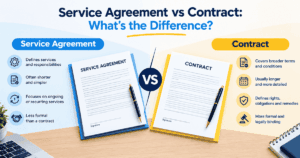
NDA vs. Contract: Don't Mix Them Up
This trips up a lot of people. An NDA is not a project agreement.
- The NDA = “Don’t talk about this.”
- The Contract = “Do this work, and I’ll pay you this much by Friday.” You usually need both. The NDA comes out during the first few meetings; the Contract comes out once the deposit is paid.
The Client’s Perspective: Why are they so paranoid?
From the client’s point of view, they are handing their “baby” over to a stranger. An NDA for freelancers gives them peace of mind. It’s a deterrent. They know that suing a freelancer is expensive and usually not worth the effort, but having that signed paper makes them feel secure enough to give you the keys to the castle.
Tools of the Trade: Stop Doing it Manually
We’re in 2026. If you’re still printing, signing, and scanning, you’re wasting time.
- Drafting: Use IndigoEDocs to generate a custom NDA for freelancers. It’s better than a random Google template because it actually lets you tweak the clauses for your specific niche.
- Analyzing: If a client sends you a “standard” NDA that’s 30 pages long, run it through the AI Document Analyzer. It’ll find the red flags (like non-compete clauses) in seconds.
- Signing: Use IndigoESign to get it signed digitally. It’s legally binding, secure, and professional.
FAQ: What You’re Probably Wondering
Q: Can I refuse to sign an NDA?
Q: Does an NDA mean I can't even say I worked for the company?
Q: Is an online NDA actually valid in court?
Q: How much does it cost to get an NDA?
Q: Are there different contracts for different types of freelance work?\
A:Contracts aren’t one-size-fits-all—they should reflect the kind of work being done. For example, the terms a software developer needs may differ from those required for a freelance writer or a web designer. It’s best to adjust the agreement so it properly matches the specific demands of your field.
Final Thoughts: Treat Your Signature Like Gold
Signing an NDA for freelancers shouldn’t be a nervous experience. It’s just business. It shows you’re moving up in the world and working on things that actually matter. But remember: your signature is your word. Read the document. Use tools to check for traps. And once you sign, stick to it.
Professionalism is the only thing that separates a hobbyist from a high-earning freelancer. Handle your NDAs with care, and the rest of the business will follow.
Create NDA for
Freelancers with AI
Fill in your information and let AI generate your freelancer NDA in seconds.
AI-Powered Freelancer NDA Review & Risk Analysis
Latest Insights

Types of Power of Attorney: Which One Do You Need?

Loan Agreement vs Promissory Note: Which One Do You Need?

Privacy Policy for Website: What to Include

Partnership Agreement Clauses You Need